
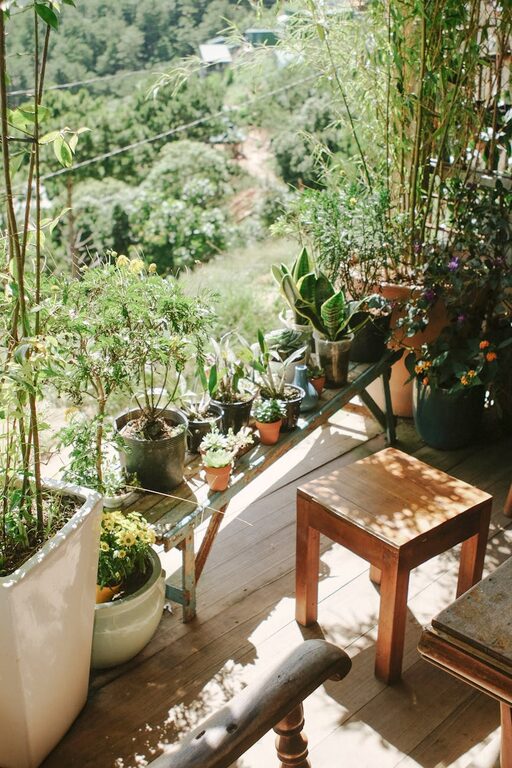
Creating a relaxing home garden space is a wonderful way to enjoy fresh air, connect with nature, and find a calm retreat from the busyness of daily life. Whether you have a large garden or a small patio, a few thoughtful touches can transform your outdoor area into a soothing haven. This guide will help you design a garden that soothes the senses and invites you to relax and recharge.
Why Create a Relaxing Garden?
A garden can be more than just decorative—it can be a personal sanctuary. Spending time outside has been shown to reduce stress and improve mood, making a peaceful garden an excellent way to boost your wellbeing. By carefully planning your space, you can create a spot that suits your lifestyle and brings a sense of calm.
Choosing the Right Location and Layout
Assess Your Space
Start by taking stock of your garden’s size, shape, and natural features like sunlight, shade, and wind. Understanding these elements will help you decide what kind of plants and furniture will thrive in your space.
Define Zones
Consider dividing your garden into zones, such as a seating area, a flower bed, and a pathway. This helps create structure while making the space more inviting to use. Even small gardens benefit from clear, purposeful layouts rather than random arrangements.
Use Soft Curves
Incorporate winding paths or curved borders rather than harsh straight lines. Soft shapes are more visually relaxing and mimic natural patterns found in nature.
Selecting Plants for Calm and Comfort
Opt for Low-Maintenance Plants
Choose plants that are easy to care for, especially if you want your garden to be a place to unwind without extra work. Hardy perennials, native species, and drought-tolerant plants are great choices.
Focus on Fragrance and Colour
Plants with gentle scents like lavender, jasmine, or rosemary can promote relaxation. Similarly, calming colours such as soft greens, blues, and pastel shades have a soothing effect.
Include Evergreen Plants
Evergreens provide year-round structure and greenery, preventing your garden from looking bare or dull in colder months.
Create Privacy
Use hedges, tall grasses, or trellises with climbing plants to add a sense of enclosure. A private space feels more secure and peaceful.
Adding Features for Comfort and Ambience
Comfortable Seating
Invest in comfortable chairs, loungers, or even a hammock. Cushioned seating invites you to stay longer and enjoy your garden fully.
Shade and Shelter
Include umbrellas, pergolas, or shelters to protect you from strong sun or light rain. This makes your garden enjoyable through changing weather.
Water Features
A small fountain, pond, or birdbath adds the tranquil sound of running water, which many find calming. Additionally, water attracts wildlife, making your garden more lively without noise.
Lighting
Soft outdoor lighting, such as solar-powered lanterns or fairy lights, adds warmth and extends your garden’s use into the evening hours.
Encouraging Mindfulness and Connection
Garden Journaling
Keep a little notebook to record your gardening progress, observations of wildlife, or your feelings while spending time outside. This practice deepens your connection with your garden.
Meditation and Yoga Spaces
Designate a quiet corner for meditation or gentle stretching. A flat surface with an outdoor mat, surrounded by plants, fosters mindful moments.
Wildlife-Friendly Gardening
Plant flowers that attract bees and butterflies or set up bird feeders and baths. Observing wildlife can be very soothing and helps you engage with nature.
Maintenance Tips to Keep Your Garden Relaxing
Keep it Tidy but Natural
Regularly remove weeds and dead leaves to maintain neatness, but try to preserve a natural, informal look rather than overly manicured perfection.
Plan Seasonal Interest
Think about planting varieties that bloom at different times of year. This keeps your garden interesting and inviting throughout the seasons.
Use Mulch and Compost
Mulch reduces weeds and retains moisture, while compost nourishes your plants. Both help your garden flourish with less effort.
Final Thoughts
Designing a relaxing home garden space is about creating a place where you feel comfortable and peaceful. By carefully choosing plants, adding thoughtful features, and making room for mindfulness, you can turn your outdoor area into a beautiful retreat. Start small, be patient, and enjoy the calming benefits of your garden sanctuary.
With a little planning and care, your garden can become a personal oasis that refreshes both body and mind. Happy gardening!