
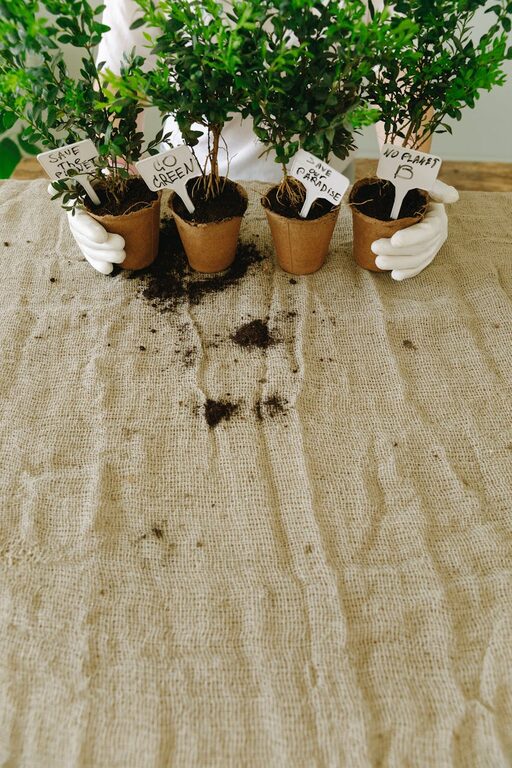
Creating a sustainable home garden is a rewarding project that brings you closer to nature while supporting environmentally-friendly practices. The best part? You don’t need to spend a fortune to make your garden sustainable and productive. With thoughtful planning and simple strategies, you can grow your own vegetables, herbs, and flowers in an eco-conscious way without breaking the bank.
In this guide, we’ll share useful tips on how to start and maintain a sustainable garden on a budget.
Understanding Sustainable Gardening
Sustainable gardening is about growing plants in a way that conserves natural resources, protects the environment, and promotes biodiversity. It involves making choices that reduce waste, energy consumption, and the use of harmful chemicals.
By adopting sustainable gardening methods, you contribute to cleaner air and soil, support pollinators, and often enjoy fresher, healthier produce from your own garden.
Plan Your Garden Wisely
Before you start digging, spend some time planning your garden. This helps avoid costly mistakes later.
– Assess your space: Whether you have a large backyard or a small balcony, identify the areas that receive the most sunlight and can support plant growth.
– Choose the right plants: Select native or well-adapted plants, as they will require less water, fertiliser, and care.
– Start small: Focus on a limited number of plants that you and your family will use regularly. This avoids wastage and keeps costs manageable.
– Draw a layout: Sketch your garden design, noting where each plant will go to optimise space naturally.
Recycle and Repurpose for Garden Supplies
Instead of buying everything new, look around your home for items that can be reused.
– Containers and pots: Old buckets, tins, and even wooden crates can become planters with a little cleaning and some holes for drainage.
– Compost bins: Build your own compost bin from scrap wood or wire mesh to recycle kitchen and garden waste into nutrient-rich compost.
– Garden tools: Check second-hand shops or community sales for affordable tools. Alternatively, borrow or swap tools with neighbours.
Use Organic Waste to Make Compost
Composting is one of the best ways to reduce waste and provide free fertiliser for your garden.
– Collect kitchen scraps such as vegetable peelings, coffee grounds, and eggshells.
– Add garden trimmings like grass clippings and leaves.
– Avoid meat, dairy, and oily foods as they can attract pests.
– Turn your compost pile regularly to speed up decomposition.
– Use the finished compost to enrich your soil naturally.
Save Water with Smart Irrigation
Watering can be a significant cost in gardening, but there are several ways to conserve without compromising your plants’ health.
– Collect rainwater: Use water butts or barrels to capture rain from your roof. This saves mains water and is great for plants.
– Water early or late: Avoid watering during the hottest part of the day to reduce evaporation.
– Mulch: A layer of mulch (straw, bark chips, or grass clippings) helps retain soil moisture and suppress weeds.
– Drip irrigation: Consider inexpensive drip irrigation kits or make your own using recycled bottles to deliver water directly to plant roots.
Propagate Plants Yourself
Growing new plants from cuttings, seeds, or divisions is free and satisfying.
– Collect seeds: Save seeds from your current plants or trade with friends and neighbours.
– Take cuttings: Many herbs and houseplants root easily from cuttings placed in water or soil.
– Divide perennials: Some plants naturally multiply, and you can separate these from the parent plant to make new ones.
Avoid Harmful Chemicals
Instead of using synthetic pesticides and fertilisers, explore natural alternatives.
– Encourage helpful insects like ladybirds and bees by planting a variety of flowers.
– Use homemade sprays like diluted garlic or neem oil to deter pests.
– Perform regular garden cleanup to prevent disease and pests.
– Rotate crops each season to maintain soil health and reduce problems.
Grow Edible Plants to Save Money and Waste
Incorporate vegetables, herbs, and fruit into your garden to reduce grocery bills and packaging waste.
– Start with easy-to-grow crops like lettuce, tomatoes, radishes, or herbs such as basil, parsley, and coriander.
– Plant according to season to maximise yield.
– Preserve excess produce by freezing, drying, or pickling to enjoy later.
Utilise Vertical Space and Companion Planting
Make the most of small areas by growing plants upwards and pairing compatible species together.
– Use trellises, hanging baskets or wall-mounted pots.
– Companion planting can improve growth and deter pests — for example, planting marigolds near tomatoes.
Involve Your Community
Sharing resources and knowledge is both eco-friendly and cost-saving.
– Join local gardening groups or online forums for seed swaps and advice.
– Volunteer or visit community gardens for inspiration.
– Share tools and exchange plants with neighbours.
Final Thoughts
Sustainable gardening on a budget is absolutely achievable with a bit of creativity and care. By planning ahead, reusing materials, conserving water, and focusing on natural processes, you can enjoy a beautiful, healthy garden that benefits both you and the environment.
Start small and build your sustainable garden step by step — you’ll be amazed at what you can grow and the positive impact you’ll make!